Energy follows attention. It’s a simple phrase, but deeply insightful for our practice on the mat and our experience in the contemporary world outside of the yoga shala.
We only have to observe our own direct experience to see this in action. Consider moments during the day when attention becomes scattered across an assortment of tasks: emails and messages, work tasks, attending to a loved ones needs, planning dinner, making appointments, preparing for a meeting, scheduling for an upcoming trip, reading a news article, responding to a text, and on and on…
As our attention splinters and energy follows it outward along all these manifold paths at once, we feel it. A sense of fragmentation, of being pulled in several directions simultaneously, of restlessness, maybe jitteriness, and the ensuing fatigue and depletion that often follow.
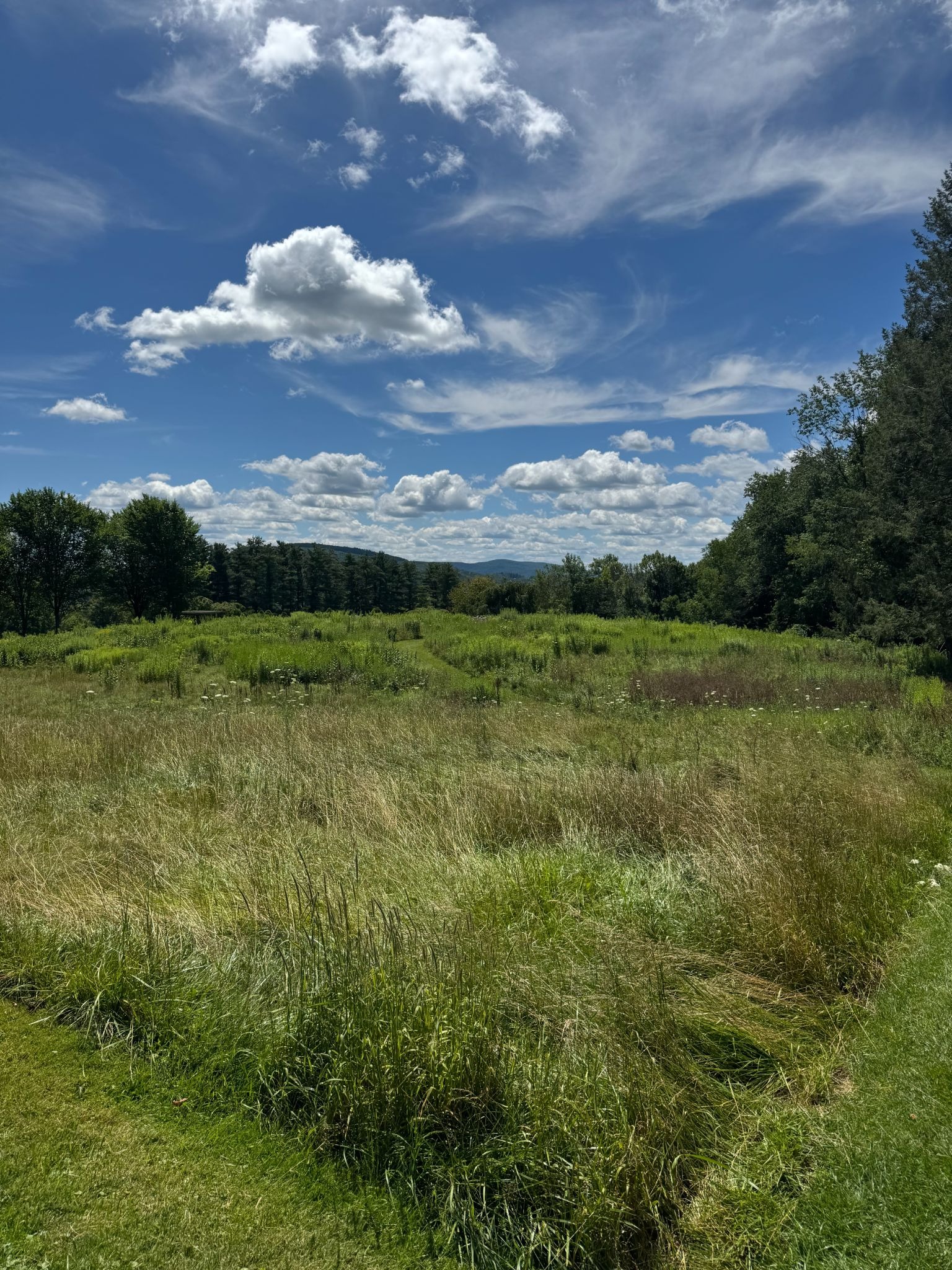
And then there are other experiences that seem to catch us off guard. Perhaps a walk in the park where our attention is absorbed by a fairy ring of mushrooms or a lizard sunning on a rock, cloud formations in a wide blue sky, the green pulse of lightning bugs at sunset, the shimmer of surf spreading across sand. In those moments, we seem to snap out of the stream of mental chatter, of planning and attending to what’s coming in the future or replaying and analyzing the past.
In those small moments of grace, energy returns to us, the mind relaxes, and there is a feeling of peace and that things are ok. Of course, those moments drift away all too quickly when, for instance, a thought that’s been troubling us comes back to mind, or we remember to check for that text we’ve been waiting for. Something always seems at the ready to draw our attention outward again.
What’s interesting is that our yoga practice works directly with this energy and can influence its quality and availability. Through our practice, we can cultivate a new and more intentional relationship with those moments where energy is beginning to fragment or scatter. Have you noticed that on the mat we’re always working with attention as it seems to drift and scatter, to move into thought, memory, planning, criticism and a host of other distractions?
The yoga shala is often where we begin to notice and open to the possibility of returning to the breath, to being present with what is. When we do that, when we come back to the body, the breath, and the moment in our yoga practice, we’re also calling our energy and awareness back to us and actively unhooking from the distractions and the habitual thoughts, memories, and associations that siphon it away.
And this energy isn’t only related to our physical, emotional, or mental experience at a given moment on the mat. Through our attention—and where it’s directed—this energy is also actively related to how we engage with the world around us once we’ve rolled up our mats and returned to the field of daily life.
From the yoga shala to the world and back again. Practice after practice, we continue to unlock energy and awareness on the mat and to cultivate the power we’ll need to journey deeper in yoga. As B.K.S. Iyengar writes, “For the Inward Journey, we will need a lot of energy, and a very subtle, high-quality energy too . . . With more energy we can explore and penetrate further and deeper within.”
In yoga classes we’ve been exploring the idea of Effort → Sensation → Awareness → Adjustment as a way to stay close to the feeling of a yoga posture. When we’re exploring a pose like Ardha Matsyendrasana (Half Lord of the Fishes), for example, we check in with our level of effort, sending energy out the extended leg, lengthening the spine, twisting a little deeper on the exhale, and connecting with the breath in this shape.
Letting attention rest in sensation, we become aware of things like tension gathering or unease, and so we adjust, maybe softening or backing off from the posture to find a little more comfort and steadiness. And as we cycle through this process of effort, sensation, awareness, and adjustment, we find a kind of flowing dialogue with the body, with sensation, with feeling—moving to what we might call balance for that pose on that day.
And in the process of this internal dialogue and through exploring the changing expressions of balance, we are experiencing what it’s like when the energy follows the attention inward. What’s more, we are cultivating the energy that Iyengar writes about, the energy we’ll need to continue our journey inward.
Each time we unhook from the myriad distractions that call to us with the allure of powerful emotions and deeply ingrained patterns—from the punctuated stream of dopamine hits on a social media feed to painful critiques of perceived unworthiness to memories of pleasure or hurt—we are calling our energy back.
The energy coming back to us is exactly that “subtle, high-quality energy” the Iyengar says we’ll need because it has been cleansed of whatever story or pattern within which it had been stuck. Day after day, practice after practice, we keep opening new channels for energy to flow back in. And through our asana practice, we are simultaneously shaping a container that can hold this powerful energy, this influx of light and healing and love.